Understanding Automation:
What it can and Cannot do
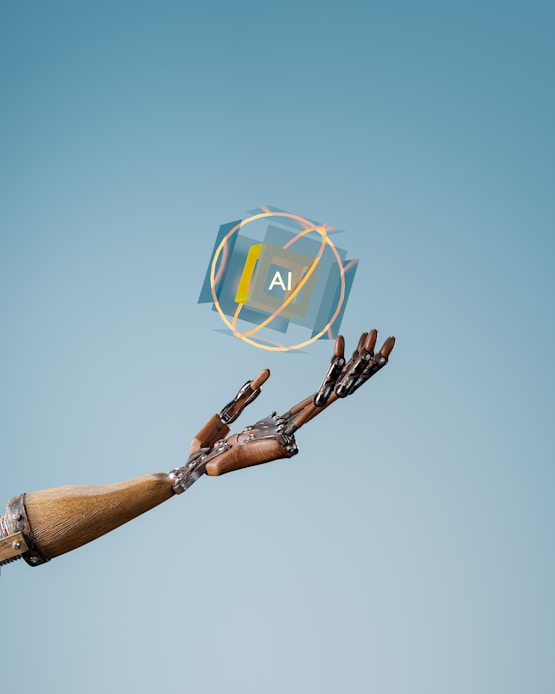
Automation has become one of the defining forces of the modern digital age. From factories powered by robotic systems to artificial intelligence tools capable of generating text, images, and code, automation is changing the way businesses operate, how people work, and how societies evolve. Yet despite its growing presence, automation remains widely misunderstood. Some people see it as a miracle solution capable of replacing all human labour, while others fear it as an unstoppable threat to employment. The reality, as always, sits in a more nuanced and instructive place.
Automation is neither magic nor science fiction. It is a technological process designed to reduce human effort in repetitive, predictable, and rule-based tasks. At its best, automation increases speed, reduces errors, lowers operational costs, and frees people to focus on higher-value work. At its worst — when poorly implemented or misaligned with business goals — automation systems can create dependency, amplify mistakes at scale, reduce human oversight, and generate ethical and structural challenges.
Understanding what automation can and cannot do is essential in an era increasingly shaped by artificial intelligence, machine learning, and intelligent software systems. For businesses in Africa and beyond that are navigating their own digital transformation, separating realistic capabilities from exaggerated expectations has become more important than ever.

.png)

What Automation Really Means
Automation refers to the use of technology to perform tasks with minimal or no direct human intervention. The concept itself is not new. Mechanised looms replaced hand-weaving centuries ago. The Industrial Revolution brought assembly-line manufacturing systems. What has changed in recent decades is the intelligence and adaptability of modern automated systems.
Traditional automation was largely mechanical. Modern automation, particularly AI-driven automation, can process data, recognise patterns, learn from experience, and make limited decisions based on algorithms.
The Evolution of Automation
The history of automation can be divided into several major stages — from the Industrial Revolution to the current AI era. Today, automation is no longer limited to physical repetition but includes cognitive tasks through artificial intelligence.
What Automation Can Do
Automation excels in structured, repetitive, data-driven, and predictable environments. It offers speed, consistency, scalability, and accuracy that surpass human capability in many routine tasks.
What Automation Cannot Do
Despite its remarkable capabilities, automation has fundamental limitations. It cannot replicate human emotions, consciousness, moral reasoning, or true creativity. It struggles with ambiguity, ethical dilemmas, and highly unstructured situations.
The Economic and Social Debate Around Automation
Automation creates both opportunities and challenges. While it drives productivity and creates new industries, it also raises concerns about job displacement and economic inequality.
Automation and the Future of Human Work
The future is not about humans versus machines, but about intelligent collaboration. The most valuable skills will be those that machines cannot easily replicate: creativity, emotional intelligence, ethical judgment, and complex problem-solving.
Conclusion
Automation is one of humanity’s most powerful tools. When used wisely, it amplifies human potential. The key is understanding its strengths and limitations so we can harness it responsibly.
Disclaimer & Transparency Note
This article is intended strictly for educational, informational, and public awareness purposes. The content should not be interpreted as legal, financial, investment, or professional advice. Readers are encouraged to conduct independent research and consult qualified professionals before making decisions.